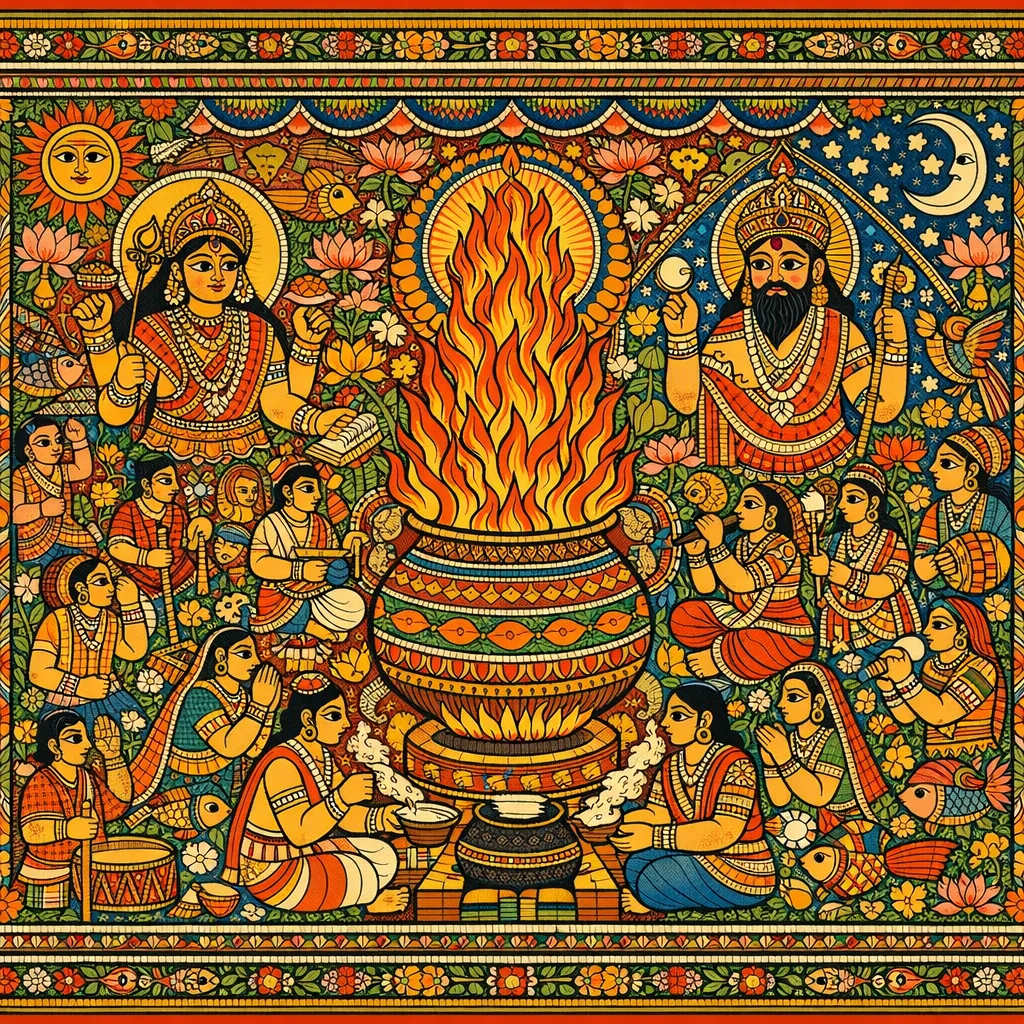
Adhyaya 30
Purushamedha victim lists.
Mantras
Mantra 1
देव॑ सवित॒: प्र सु॑व य॒ज्ञं प्र सु॑व य॒ज्ञप॑तिं॒ भगा॑य । दि॒व्यो ग॑न्ध॒र्वः के॑तु॒पूः केतं॑ नः पुनातु वा॒चस्पति॒र्वाजं॑ नः स्वदतु
O god Savitṛ, impel forth the sacrifice; impel forth the lord of sacrifice unto Bhaga. The heavenly Gandharva, the purifier of the token, may purify for us the token; and Vācaspati may make our strength a savoury (boon).
Mantra 2
तत्स॑वि॒तुर्वरे॑ण्यं॒ भर्गो॑ दे॒वस्य॑ धीमहि । धियो॒ यो न॑: प्रचो॒दयात्
That excellent splendour of the god Savitṛ we meditate upon; may he impel forward our thoughts.
Mantra 3
विश्वा॑नि देव सवितर्दुरि॒तानि॒ परा॑ सुव । यद्भ॒द्रं तन्न॒ आ सु॑व
All misfortunes, O god Savitṛ, drive thou away; what is auspicious, that bring thou hither unto us.
Mantra 4
वि॒भ॒क्तार॑ᳪ हवामहे॒ वसो॑श्चि॒त्रस्य॒ राध॑सः । स॒वि॒तारं॑ नृ॒चक्ष॑सम्
We invoke the Dispenser of wondrous bounty and of wealth,—Savitar, the Seer of men.
Mantra 5
ब्रह्म॑णे ब्राह्म॒णं क्ष॒त्राय॑ राज॒न्यं॒ म॒रुद्भ्यो॒ वैश्यं॒ तप॑से शू॒द्रं तम॑से॒ तस्क॑रं नार॒काय॑ वीर॒हणं॑ पा॒प्मने॑ क्ली॒बमा॑क्र॒याया॑ अयो॒गूं कामा॑य पुँश्च॒लूमति॑क्रुष्टाय माग॒धम्
To Brahman a Brāhmaṇa; to Royal Power a Rājanya; to the Maruts a Vaiśya; to Ardour a Śūdra; to Darkness a thief; to Hell a slayer of heroes; to Evil an impotent man; to Purchase a barren cow; to Desire a wanton woman; to Outcry a Māgadha.
Mantra 6
नृ॒त्ताय॑ सू॒तं गी॒ताय॑ शैलू॒षं धर्मा॑य सभाच॒रं न॒रिष्ठा॑यै भीम॒लं न॒र्माय॑ रे॒भᳪ हसा॑य॒ कारि॑मान॒न्दाय॑ स्त्रीष॒खं प्र॒मदे॑ कुमारीपु॒त्रं मे॒धायै॑ रथका॒रं धै॑र्याय॒ तक्षा॑णम्
To Dancing a Sūta; to Singing an Actor; to Law a frequenter of the assembly; to Narīṣṭā a formidable man; to Jest a reviler; to Laughter a contriver; to Delight a woman’s companion; to Wantonness the son of an unmarried girl; to Intelligence a chariot-maker; to Firmness a carpenter.
Mantra 7
तप॑से कौला॒लं मा॒यायै॑ क॒र्मार॑ᳪ रू॒पाय॑ मणिका॒रᳪ शु॒भे व॒पᳪ श॑र॒व्या॒या इषुका॒रᳪ हे॒त्यै ध॑नुष्का॒रं कर्म॑णे ज्याका॒रं दि॒ष्टाय॑ रज्जुस॒र्जं मृ॒त्यवे॑ मृग॒युमन्त॑काय श्व॒निन॑म्
To Ardour a potter; to Artifice a smith; to Form a jeweller; to Auspiciousness a barber; to Archery an arrow-maker; to Weaponry a bow-maker; to Work a bowstring-maker; to Aim a rope-maker; to Death a hunter; to the Ender a dog-man.
Mantra 8
न॒दीभ्य॑: पौञ्जि॒ष्ठमृ॒क्षीका॑भ्यो॒ नैषादं पुरुषव्या॒घ्राय॑ दु॒र्मदं॑ गन्धर्वाप्स॒रोभ्यो॒ व्रात्यं॑ प्र॒युग्भ्य॒ उन्म॑त्तᳪ सर्पदेवज॒नेभ्योऽप्र॑तिपद॒मये॑भ्यः कित॒वमी॒र्यता॑या॒ अकि॑तवं पिशा॒चेभ्यो॑ बिदलका॒रीं या॑तु॒धाने॑भ्यः कण्टकीका॒रीम्
To the Rivers a Pauñjiṣṭha; to the Bears a Niṣāda; to the Man-tiger a madman; to Gandharvas and Apsarases a Vrātya; to the Teams a lunatic; to the Serpent-deity folk a man without footing; to Roaming a gambler, and a non-gambler; to Piśācas a Bidalakārī; to Yātudhānas a Kaṇṭakīkārī.
Mantra 9
स॒न्धये॑ जा॒रं गे॒हायो॑पप॒तिमार्त्यै॒ परि॑वित्तं॒ निरृ॑त्यै परिविविदा॒नमरा॑द्ध्या एदिधिषुः प॒तिं निष्कृ॑त्यै पेशस्का॒रीᳪ सं॒ज्ञाना॑य स्मरका॒रीं प्र॑का॒मोद्या॑योप॒सदं॒ वर्णा॑यानु॒रुधं॒ बला॑योप॒दाम्
For concord (I assign) the paramour; for the household the kept man; for distress the man that hath forestalled (his elder); for Nirṛti the over-winner; for failure the eager wooer; for expiation the husband; for recognition the wanton woman; for remembrance the love-exciting woman; for desire the attendant; for colour the follower; for strength the near-gift.
Mantra 10
उ॒त्सा॒देभ्य॑: कु॒ब्जं प्र॒मुदे॑ वाम॒नं द्वा॒र्भ्यः स्रा॒मᳪ स्वप्ना॑या॒न्धमध॑र्माय बधि॒रं प॒वित्रा॑य भि॒षजं॑ प्र॒ज्ञाना॑य नक्षत्रद॒र्शमा॑शि॒क्षायै॑ प्र॒श्निन॑मुपशि॒क्षाया॑ अभिप्र॒श्निनं॑ म॒र्यादा॑यै प्रश्नविवा॒कम्
For downfalls (I assign) the hunchback; for gladness the dwarf; for the door-keepers the lame; for sleep the blind; for unrighteousness the deaf; for the strainer the physician; for discernment the star-gazer; for instruction the questioner; for further instruction the cross-questioner; for boundary the decider of questions.
Mantra 11
अर्मे॑भ्यो हस्ति॒पं ज॒वाया॑श्व॒पं पुष्ट्यै॑ गोपा॒लं वी॒र्या॒याविपा॒लं तेज॑सेऽजपा॒लमिरा॑यै की॒नाशं॑ की॒लाला॑य सुराका॒रं भ॒द्राय॑ गृह॒पᳪ श्रेय॑से वित्त॒धमाध्य॑क्ष्यायानुक्ष॒तार॑म्
For the troops (I assign) the elephant-keeper; for speed the horse-keeper; for prosperity the cowherd; for valour the shepherd; for splendour the goat-herd; for refreshment the ploughman; for sweet liquor the maker of surā; for welfare the house-master; for prosperity the treasurer; for authority the under-steward.
Mantra 12
भायै॑ दार्वा॒हारं॑ प्र॒भाया॑ अग्न्ये॒धं ब्र॒ध्नस्य॑ वि॒ष्टपा॑याभिषे॒क्तारं॒ वर्षि॑ष्ठाय॒ नाका॑य परिवे॒ष्टारं॑ देवलो॒काय॑ पेशि॒तारं॑ मनुष्यलो॒काय॑ प्रकरि॒तार॒ᳪ सर्वे॑भ्यो लो॒केभ्य॑ उपसे॒क्तार॒मव॑ ऋत्यै व॒धायो॑पमन्थि॒तारं॒ मेधा॑य वासः पल्पू॒लीं प्र॑का॒माय॑ रजयि॒त्रीम्
For fear (I assign) the wood-bringer; for splendour the fire-kindler; for the firmament of the Tawny one the anointer; for the highest heaven the enveloper; for the world of the gods the fashioner; for the world of men the arranger; for all worlds the sprinkler; for turning away the churning-stirrer; for wisdom the garment; for desire the dishevelled woman; for passion the dyer.
Mantra 13
ऋ॒तये॑ स्ते॒नहृ॑दयं वैर॑हत्याय॒ पिशु॑नं॒ विवि॑क्त्यै क्ष॒त्तार॒मौप॑द्रष्ट्र्यायानुक्ष॒त्तारं॒ बला॑यानुच॒रं भू॒म्ने प॑रिष्क॒न्दं प्रि॒याय॑ प्रियवा॒दिन॒ मरि॑ष्ट्या अश्वसा॒दᳪ स्व॒र्गा॑य लो॒काय॑ भागदु॒घं वर्षि॑ष्ठाय॒ नाका॑य परिवे॒ष्टार॑म्
For Ṛta (I assign) the thief-hearted; for the slaying of enmity the slanderer; for discrimination the steward; for oversight the under-steward; for strength the attendant; for greatness the rover; for what is dear the pleasant-speaker; for safety the horse-subduer; for the heavenly world the share-drawer; for the highest heaven the enveloper.
Mantra 14
म॒न्यवे॑ऽयस्ता॒पं क्रोधा॑य निस॒रं योगा॑य यो॒क्तार॒ᳪ शोका॑याभिस॒र्तारं॒ क्षेमा॑य विमो॒क्तार॑मुत्कूलनिकू॒लेभ्य॑स्त्रि॒ष्ठिनं॒ वपु॑षे मानस्कृ॒तᳪ शीला॑याञ्जनीका॒रीं निरृ॑त्यै कोशका॒रीं य॒माया॒सूम्
To Manyu (Wrath) I assign the iron-heater; to Anger the expeller; to Discipline the yoker; to Sorrow the assailer; to Security the releaser; from bank and counter-bank the three-based one; to Form the mind-wrought; to Habit the maker of darkening; to Nirṛti the sheath-maker; to Yama I assign the life-breath.
Mantra 15
य॒माय॑ यम॒सूमथ॑र्व॒भ्योऽव॑तोकाᳪ संवत्स॒राय॑ पर्या॒यिणीं॑ परिवत्स॒रायावि॑जातामिदावत्स॒राया॒तीत्व॑रीमिद्वत्स॒राया॑ति॒ष्कद्व॑रीं वत्स॒राय॒ विज॑र्जराᳪ संवत्स॒राय॒ पलि॑क्नीमृ॒भुभ्यो॑ऽजिनस॒न्धᳪ सा॒ध्येभ्य॑श्चर्म॒म्नम्
To Yama, Yama’s own creature; to the Atharvans the childless woman; to the Year the period-going; to the Revolving-Year the unborn; to the ‘This-year’ the over-hasty; to the ‘This-year’ the over-leaping; to the Year the utterly worn; to the Full-Year the grey-haired; to the Ṛbhus the stitcher of skins; to the Sādhyas the worker in hides.
Mantra 16
सरो॑भ्यो धैव॒रमु॑प॒स्थाव॑राभ्यो॒ दाशं॑ वैश॒न्ताभ्यो॑ बै॒न्दं न॑ड्व॒लाभ्यः शौष्क॑लं पा॒राय॑ मार्गा॒रम॑वा॒राय॑ कै॒वर्तं॑ ती॒र्थेभ्य॑ आ॒न्दं विष॑मेभ्यो मैना॒लᳪ स्वने॑भ्य॒: पर्ण॑कं॒ गुहा॑भ्य॒: किरा॑त॒ᳪ सानु॑भ्यो॒ जम्भ॑कं॒ पर्व॑तेभ्यः किम्पूरु॒षम्
To the pools the fisherman; to the water-side tracts the waterman; to the river-reaches the Bainda; to the reed-beds the dried-fish man; to the farther bank the path-finder; to the nearer bank the boatman; to the fords the ferryman; to rough places the Maināla; to echoing sounds the leaf-clad; to caves the Kirāta; to ridges the Jambhaka; to mountains the Kimpuruṣa.
Mantra 17
बी॒भ॒त्सायै॑ पौल्क॒सं वर्णा॑य हिरण्यका॒रं तु॒लायै॑ वाणि॒जं प॑श्चादो॒षाय॑ ग्ला॒विनं॒ विश्वे॑भ्यो भू॒तेभ्य॑: सिध्म॒लं भूत्यै॑ जागर॒णमभू॑त्यै स्वप॒नमार्त्यै॑ जनवा॒दिनं॒ व्यृ॒र्द्ध्या अपग॒ल्भᳪ स॑ᳪश॒राय॑ प्र॒च्छिद॑म्
To the Loathsome I assign the Pulkasa; to Colour the goldsmith; to the Balance the merchant; to After-fault the languid; to all Beings the mouldering one; to Prosperity wakefulness; to Non-prosperity sleep; to Distress the public-talker; to Over-growth the rash one; to Ruin the severer.
Mantra 18
अ॒क्ष॒रा॒जाय॑ कित॒वं कृ॒ताया॑दिनवद॒र्शं त्रेता॑यै क॒ल्पिनं॑ द्वा॒परा॑याधिक॒ल्पिन॑मास्क॒न्दाय॑ सभास्था॒णुं मृ॒त्यवे॑ गोव्य॒च्छमन्त॑काय गोघा॒तं क्षु॒धे यो गां वि॑कृ॒न्तन्तं॒ भिक्ष॑माण उप॒तिष्ठ॑ति दुष्कृ॒ताय॒ चर॑काचार्यं पा॒प्मने॑ सैल॒गम्
To the King of Dice the gambler; to the Kṛta the day-watcher; to the Tretā the contriver; to the Dvāpara the over-contriver; to Onrush the hall-pillar; to Death the cattle-raider; to the Ender the cow-slayer; to Hunger—he who, begging, waits upon the cutter-up of a cow; to Ill-deed the wandering teacher; to Evil the Sailega.
Mantra 19
प्र॒ति॒श्रुत्का॑या अर्त॒नं घोषा॑य भ॒षमन्ता॑य बहुवा॒दिन॑मन॒न्ताय॒ मूक॒ᳪ शब्दा॑याडम्बराघा॒तं मह॑से वीणावा॒दं क्रोशा॑य तूणव॒ध्मम॑वरस्प॒राय॑ शङ्ख॒ध्मं वना॑य वन॒पम॒न्यतो॑रण्याय दाव॒पम्
To Echo, the rolling sound; to Clamour; to the Babbling one; to much-speaking Speech; to the Endless; to the Mute; to Sound; to the stroke of the great drum; to the majesty thereof; to the playing of the Vīṇā; to the cry; to the blast of the trumpet; to the deep-resounding vibration; to the blowing of the conch; to the forest and the forest-dweller; to the further wilderness; to the forest-fire.
Mantra 20
न॒र्माय॑ पुँश्च॒लूᳪ हसा॑य॒ कारिं॒ याद॑से शाब॒ल्यां ग्रा॑म॒ण्यं गण॑कमभि॒क्रोश॑कं॒ तान्मह॑से वीणावा॒दं पा॑णि॒घ्नं तू॑णव॒ध्मं तान्नृ॒त्ताया॑न॒न्दाय॑ तल॒वम्
To Jest, the harlot; to Laughter; the doer; to the sorcerer; the motley woman; the village-headman; the gambler; the reviler—these to Majesty: the player on the Vīṇā, the hand-clapper, the trumpet-blower—these to Dancing, to Delight, to rhythmic clapping.
Mantra 21
अ॒ग्नये॒ पीवा॑नं पृथि॒व्यै पी॑ठस॒र्पिणं॑ वा॒यवे॑ चाण्डा॒लम॒न्तरि॑क्षाय वᳪशन॒र्तिनं॑ दि॒वे ख॑ल॒तिᳪ सूर्या॑य हर्य॒क्षं नक्ष॑त्रेभ्यः किर्मि॒रं च॒न्द्रम॑से कि॒लास॒मह्ने॑ शु॒क्लं पि॑ङ्गा॒क्षᳪ रात्र्यै॑ कृ॒ष्णं पि॑ङ्गा॒क्षम्
To Agni the stout one; to Earth the back-crawler; to Vāyu the Caṇḍāla; to the Mid-air the bamboo-dancer; to Heaven the bald one; to the Sun the tawny-eyed; to the Stars the speckled; to the Moon the leprous-white; to Day the white, tawny-eyed; to Night the black, tawny-eyed.
Mantra 22
अथै॒तान॒ष्टौ विरू॑पा॒ना ल॑भ॒तेऽति॑दीर्घं॒ चाति॑ह्रस्वं॒ चाति॑स्थूलं॒ चाति॑कृशं॒ चाति॑शुक्लं॒ चाति॑कृष्णं॒ चाति॑कुल्वं॒ चाति॑लोमशं च । अशू॑द्रा॒ अब्रा॑ह्मणा॒स्ते प्रा॑जाप॒त्याः । मा॒ग॒धः पुँ॑श्च॒ली कि॑त॒वः क्ली॒बोऽशू॑द्रा॒ अब्रा॑ह्मणा॒स्ते प्रा॑जाप॒त्याः
Now he takes these eight misshapen ones: the over-tall and the over-short, the over-stout and the over-thin, the over-white and the over-black, the over-bald and the over-hairy. They are neither Śūdra nor Brāhmaṇa: they belong to Prajāpati. The Māgadha, the harlot, the gambler, the impotent—neither Śūdra nor Brāhmaṇa: they belong to Prajāpati.
Frequently Asked Questions
Its core is Pravargya, especially the Gharma (heated milk) offering, presented as a consecratory act that concentrates tapas/tejas and propels the sacrifice toward success.
These are niyoga (ritual assignment) formulas: by naming and assigning diverse human types and functions to deities/abstract powers, the rite converts social plurality—including marginality—into a stable cosmic order (ṛta).
Kandikā 30.19 treats sound itself—speech, music, conch-blast, clamour, echo, and forest-roar—as sacrificially nameable offerings, extending yajña’s scope to the auditory universe.