Adhyaya 199
Adhyāya 199 — Nāna-vratāni (Various Vows): Ṛtu-vrata, Saṅkrānti-vrata, Viṣṇu/Devī/Umā Observances
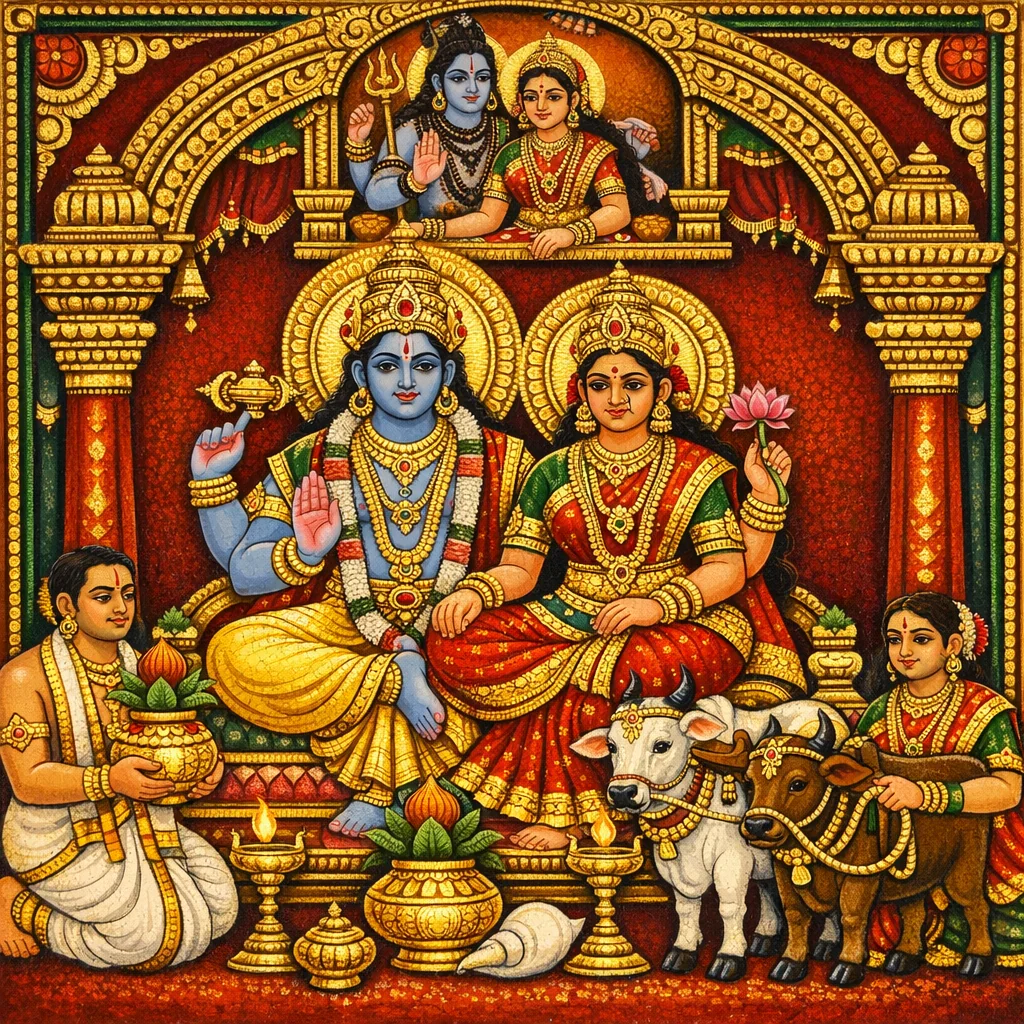
Agni continues the Vrata-khaṇḍa by teaching vows that yield both enjoyment (bhukti) and liberation (mukti). He first sets out ṛtu-vratas for the four seasons, supporting homa with offerings of fuel-sticks and concluding with dāna such as a “ghee-cow” and gifts of ghee-pots, along with twilight silence as a discipline. He then adds further forms: a Sārasvata practice with pañcāmṛta bathing and a year-end cow donation; a Viṣṇu-centered Ekādaśī naktāśī in Caitra culminating in attaining Viṣṇu’s abode; and a Śrī/Devī observance with a pāyasa diet and gifting a yoke-pair of cows, with the rule of eating only after offerings to Pitṛs and Devas. Next he specifies the Saṅkrānti-vrata, praising night vigil as heaven-producing, and notes intensified occasions—amāvasyā-saṅkrānti, uttarāyaṇa, and viṣuva—paired with ritual bathing using measured ghee (prastha) and quantified substances (32 palas) for sin-removal. Finally, he presents women’s Umā–Maheśvara vows on the 3rd and 8th lunar days for auspicious married life and freedom from separation, ending with a stated fruit of Sūrya-bhakti concerning gendered rebirth.
Shlokas
No shlokas available for this adhyaya yet.
Frequently Asked Questions
Ṛtu-vratas (seasonal observances), Saṅkrānti-vrata (solar ingress vigil), Viṣṇu-centered Ekādaśī naktāśī practice, Sārasvata vow with pañcāmṛta bath and cow donation, Śrī/Devī-related vow elements, and women’s Umā–Maheśvara rites on specific tithis.
It specifies timed observances (Caitra, Ekādaśī, amāvasyā-saṅkrānti, uttarāyaṇa, viṣuva), concrete ritual actions (night vigil, offering fuel-sticks, bathing with ghee/milk), and quantified measures (prastha of ghee; 32 palas) alongside prescribed dāna items.
By framing vows as disciplines that purify sin, cultivate restraint (e.g., sandhyā-mauna, regulated eating), and direct devotion to Viṣṇu/Devī/Śiva-Śakti, while also promising prosperity and status—thus aligning kāma/artha supports with dharma and mokṣa-oriented merit.