Adhyaya 198
Monthly Vows (Māsa-vratāni) and Cāturmāsya Disciplines; Introduction of Kaumudī-vrata
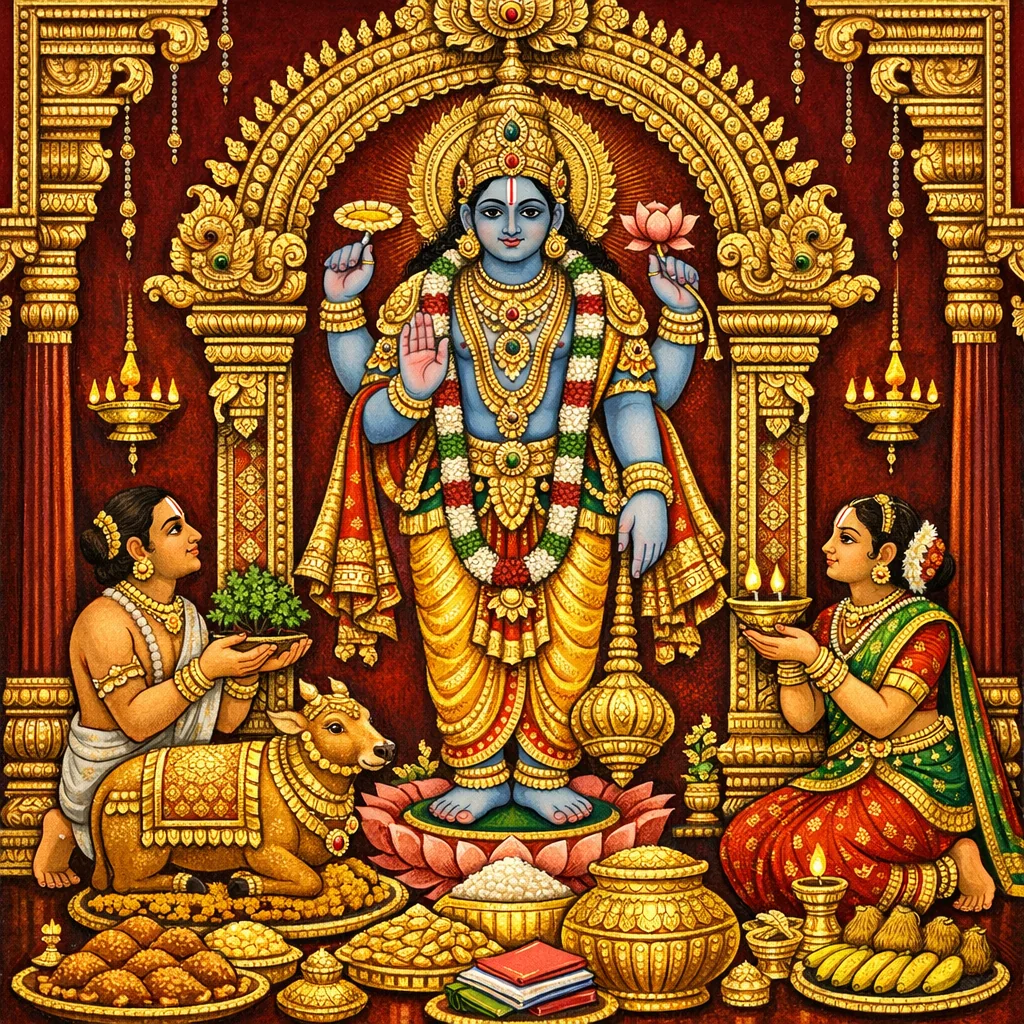
Lord Agni teaches the māsa-vrata as a disciplined monthly regimen that grants both bhukti (worldly enjoyment) and mukti (liberation). The chapter opens with Cāturmāsya-type restraints—especially renouncing oil-anointing during the sacred four-month season—then lists month-wise renunciations and dāna, such as gifting a cow in Vaiśākha and offering a “jaggery-cow” in Māgha or Caitra. Dietary and behavioral austerities (nakta-bhojana, ekabhakta, fruit-vows, alternate-day fasting, silence, cāndrāyaṇa, prājāpatya) are linked to graded spiritual results: heaven, Viṣṇuloka, and merit oriented toward final release. The vrata is made ritually complete through saṅkalpa and calendrical anchoring: preparations for Cāturmāsya, worship of Hari when the Sun enters Karkaṭa (Cancer), and prayers that the vow be counted fulfilled even if death intervenes. The chapter ends by introducing the Kaumudī-vrata in Āśvina, prescribing Dvādaśī worship of Viṣṇu with flowers, lamps, ghee and sesame-oil offerings, and the mantra “Om namo Vāsudevāya,” promising attainment of the four puruṣārthas.
Shlokas
No shlokas available for this adhyaya yet.
Frequently Asked Questions
Renunciation of oil-anointing (abhyanga/taila-tyāga) during the four months beginning with Āṣāḍha, paired with dawn-bathing and devotion to Hari.
It repeatedly couples renunciation/fasting with formal gifts—especially go-dāna and guḍa-dhenu—presenting donation as the outward completion of inner restraint and a generator of merit and higher worlds.
The Kaumudī-vrata (Āśvina) is introduced: on Dvādaśī, worship Viṣṇu with lotus-type flowers, offer lamp and naivedya using ghee and sesame-oil, and recite ‘Om namo Vāsudevāya’.
By mapping regulated conduct (niyama), calendrical worship, and charitable giving to tangible outcomes (bhukti) while explicitly promising Viṣṇuloka/Vaikuṇṭha and liberation-oriented fruits (mukti), culminating in the fourfold puruṣārtha attainment through Kaumudī-vrata.