Adhyaya 192
Chapter 192: चतुर्दशीव्रतानि (Vows of the Fourteenth Lunar Day)
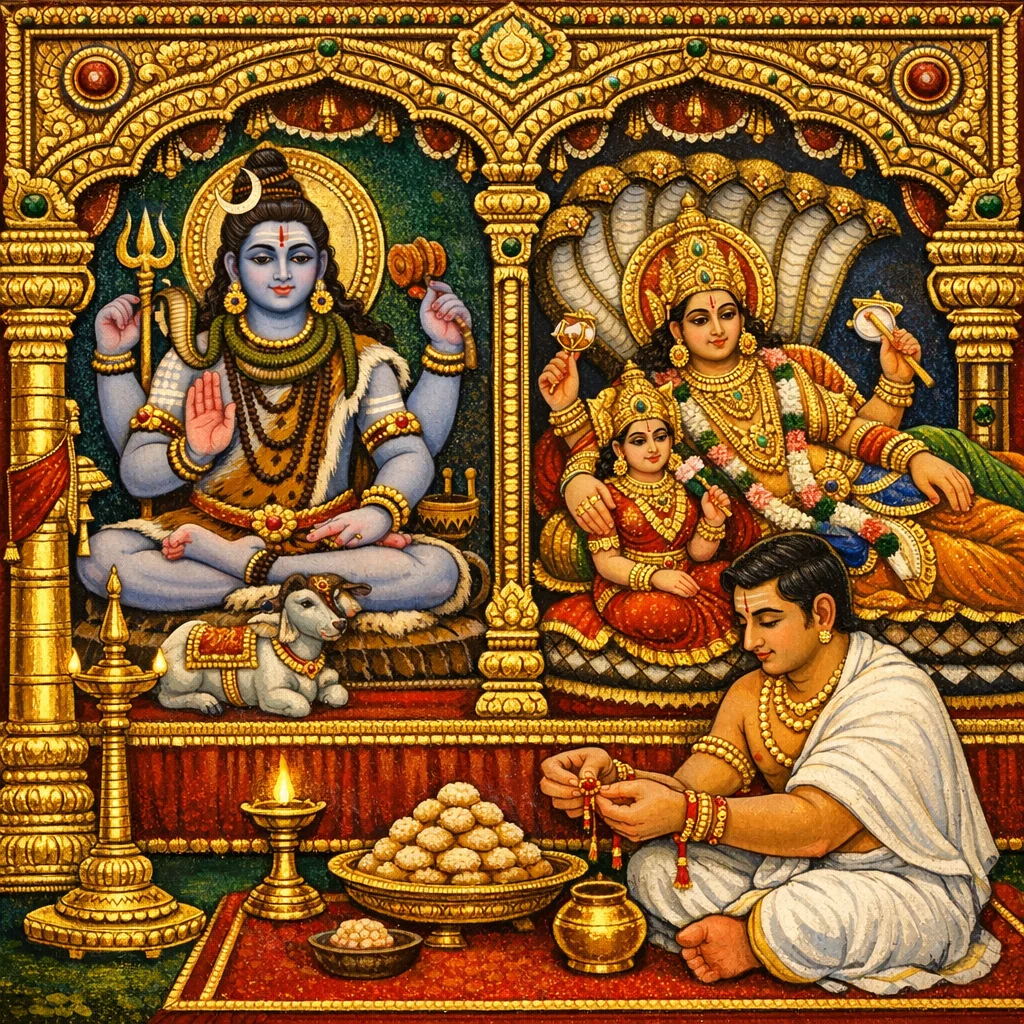
Agni begins teaching the Caturdaśī-vratas, declaring the fourteenth lunar-day observance to be bhukti-mukti-pradāyaka—bestowing both enjoyment and liberation—especially through fasting and Śiva worship in Kārttika. The chapter lists variants: (1) Śiva-Caturdaśī, performed under precise calendrical conjunctions, granting longevity, wealth, and pleasures; (2) Phala-Caturdaśī (or on the twelfth/fourteenth), stressing a fruit diet, abstention from liquor, and gifting fruits in charity; and (3) Ubhaya-Caturdaśī, fasting and worship of Śambhu on the fourteenth (and also the eighth) in both bright and dark fortnights, promising heaven. It further prescribes nakta (night-meal) observance on Kṛṣṇa Aṣṭamī and Kṛṣṇa Caturdaśī for worldly enjoyments and an auspicious posthumous destiny. Ritual details follow: bathing on Kārttika Kṛṣṇa Caturdaśī, Indra worship with dhvaja-shaped poles, and finally the Ananta rite on Śukla Caturdaśī—worship of Hari as Ananta with darbha arrangement and a water vessel, offering a rice-flour pūpa (half to a brāhmaṇa), reciting Hari’s story at a river confluence, and tying the consecrated thread on hand or neck for prosperity and happiness.
Shlokas
No shlokas available for this adhyaya yet.
Frequently Asked Questions
Agni defines it as bhukti-mukti-pradāyaka: properly observed Caturdaśī worship and fasting can yield worldly enjoyments (prosperity, longevity, happiness) and spiritual uplift culminating in liberation.
Worship Hari as Ananta on Śukla Caturdaśī using a darbha arrangement and a water-vessel, prepare a rice-flour pūpa (half offered to a brāhmaṇa), perform Hari-kathā at a river-confluence, and tie a mantra-consecrated thread on the hand or neck.