Adhyaya 188
Chapter 188: द्वादशीव्रतानि (The Dvādaśī-vows)
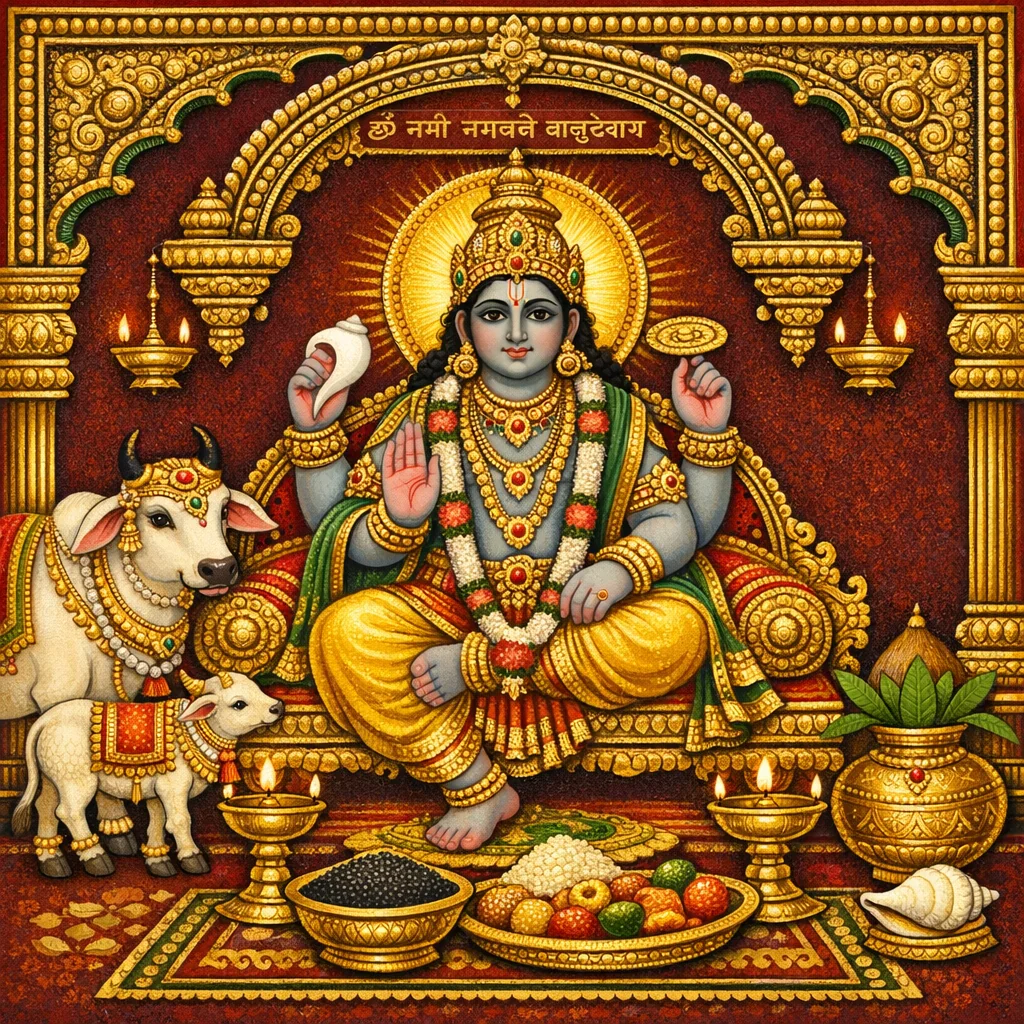
Lord Agni begins a structured catalog of Dvādaśī observances, declaring them means to both bhukti (worldly enjoyment) and mukti (liberation), to be practiced with one-meal discipline, devotion, and non-solicitous acceptance (ayācita). The vows are set into the ritual calendar: Caitra-śukla Dvādaśī worships Hari as the subduer of Kāma as Madana-Dvādaśī; Māgha-śukla Dvādaśī is Bhīma-Dvādaśikā; Phālguna-śukla Dvādaśī indicates Govinda-Dvādaśī and related rites. Other monthly anchors include Viśoka-Dvādaśī in Āśvayuja and Govatsa-Dvādaśī in Bhādrapada with cow-and-calf worship for expiation and merit. A key section defines Tiladvādaśī by exact calendrical conditions—Kṛṣṇa-pakṣa Dvādaśī after midday conjoined with Śravaṇa—and prescribes sesame-based ritual acts (sesame bath, sesame homa, sesame naivedya, sesame-oil lamp, sesame-water, and sesame charity), culminating in Vāsudeva worship with the mantra “Oṃ namo bhagavate vāsudevāya.” The chapter further lists Ṣaṭ-tila Dvādaśī (heavenly reward), Nāmadvādaśī (year-long worship by the Keśava-name sequence), Sumati- and Ananta-Dvādaśī, Sugati-Dvādaśī with a “Kṛṣṇa-jaya” salutation, and closes by noting Pauṣa-śukla Dvādaśī for a Sampprāpti-related observance, sustaining the Purāṇic view of dharma as a ritual science oriented to liberation.
Shlokas
No shlokas available for this adhyaya yet.
Frequently Asked Questions
It is the Kṛṣṇa-pakṣa Dvādaśī that occurs after midday (madhyāhna-samatītā) and is conjoined with the Śravaṇa nakṣatra; this conjunction is explicitly named Tiladvādaśī.
Sesame-based observances: bathing with sesame, sesame homa, sesame sweet offerings (tilamodaka) as naivedya, lighting a lamp with sesame oil, offering/gifting sesame-water, and donating sesame to Brahmins, followed by Vāsudeva worship with “Oṃ namo bhagavate vāsudevāya.”
Govatsa-dvādaśī; it is performed in the month of Bhādrapada, where the votary worships a cow along with her calf as part of the vow’s expiatory and merit-generating framework.
Nāmadvādaśī is a year-long worship of Hari using the divine names beginning with Keśava; the text states the performer becomes heaven-destined and does not become hell-bound.